Production teams often feel the pressure first when machines stop working together smoothly. A single delay at one station can affect quality checks, packaging, shipping, labor schedules, and customer deadlines. Control integrators help plants connect equipment, data, safety, and operator tools so daily production runs with fewer gaps and better visibility.
Connecting Machines That Were Never Built to Talk
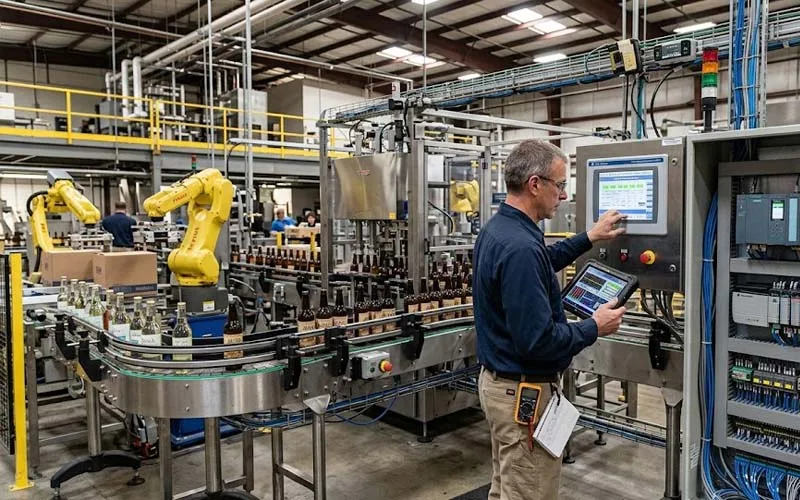
Many production floors use a mix of older machines, newer equipment, and specialty systems from different manufacturers. These machines may perform their individual tasks well, but they often do not share information easily. Control integrators can connect controllers, sensors, drives, HMIs, and plant networks so equipment works as part of one larger process.
Better communication helps operators see what is happening across the line instead of checking each machine separately. Integrated control systems can show alarms, speeds, temperatures, cycle counts, and status updates in one place. That connection reduces confusion and helps teams respond faster when production conditions change.
Improving Conveyor Flow Across Busy Production Lines
Conveyors may seem simple, but poor timing can create backups, gaps, collisions, or idle stations. Production flow depends on the right speed, spacing, sensors, motor control, and logic between each section. Control integrators can program conveyor systems to match the pace of upstream and downstream equipment.
Smooth conveyor control also protects products. Items that move too quickly may shift, jam, or arrive before the next station is ready. Industrial automation system integrators can use sensors, variable frequency drives, and control logic to keep parts moving steadily without overloading the line.
Making Batch Processes More Repeatable
Batch production depends on accuracy. Mixing times, fill levels, temperatures, ingredient additions, pump speeds, and valve positions must happen in the right order. Manual control can work for small operations, but larger production runs need more consistency.
Automated batch control helps reduce variation from one run to the next. A skilled integrator in control system design can create recipes, alarms, timers, and operator prompts that guide each batch through the correct steps. This improves quality while making it easier to train operators on repeatable procedures.
Giving Operators Better Screens and Clearer Alarms
Operators make better decisions when the control screens are simple, accurate, and easy to read. Poorly designed HMIs can bury important information behind confusing menus or unclear labels. Control integrators build screens that show the right data at the right time, helping operators understand machine status quickly. Useful alarms also matter. A plant does not need hundreds of nuisance alerts that workers begin to ignore. Strong alarm design helps identify the real issue, where it happened, and what action may be needed. Industrial control systems companies often help facilities clean up alarm logic so operators can respond with more confidence.
Reducing Downtime Through Smarter Troubleshooting
Downtime becomes expensive when maintenance teams have to guess where a problem started. A motor fault, sensor failure, communication issue, or safety trip can stop a line with little warning. Integrated control systems can collect fault data and display it in a way that points technicians toward the source faster. Faster troubleshooting helps production recover sooner. Trend logs, event history, diagnostic screens, and remote monitoring can show what changed before the shutdown. Control integrators use these tools to give maintenance teams better information instead of leaving them to trace wires and signals by hand.
Automating Quality Checks Before Products Move Forward
Quality problems become harder to fix once defective products move deeper into production. Automated checks can verify position, weight, size, temperature, pressure, barcode data, fill levels, or part presence before the next step begins. These checks help catch issues earlier and reduce wasted labor.
Vision systems, sensors, scanners, and measurement devices can be tied into the control system. If a product fails a check, the system can reject it, stop the line, or alert an operator. Industrial automation system integrators help plants build these safeguards into the process instead of relying only on final inspection.
Supporting Safer Equipment Operation
Production equipment can move quickly, apply force, generate heat, or control stored energy. Safety systems help protect workers from hazards while allowing machines to operate efficiently. Control integrators may work with emergency stops, interlocks, safety relays, safety PLCs, light curtains, guards, and lockout-related controls.
Well-designed safety does not simply shut everything down without explanation. It identifies the hazard, stops the affected motion, and helps operators understand what needs attention before restarting. Control integrators can help production teams improve safety while reducing unnecessary downtime from unclear trips or poorly planned circuits.
Turning Production Data Into Useful Decisions
Production data has little value if no one can use it. Counts, downtime reasons, scrap rates, machine speeds, energy use, and process trends can help managers understand where time and money are being lost.
Integrated control systems can collect that information automatically instead of relying on handwritten logs. RL Consulting works with production facilities that need practical support from experienced control integrators, including PLC programming, control panel design, troubleshooting, automation upgrades, and system integration.
Plants comparing industrial control systems companies can look to RL Consulting for help turning equipment, operator stations, safety systems, and production data into a more connected and dependable operation.