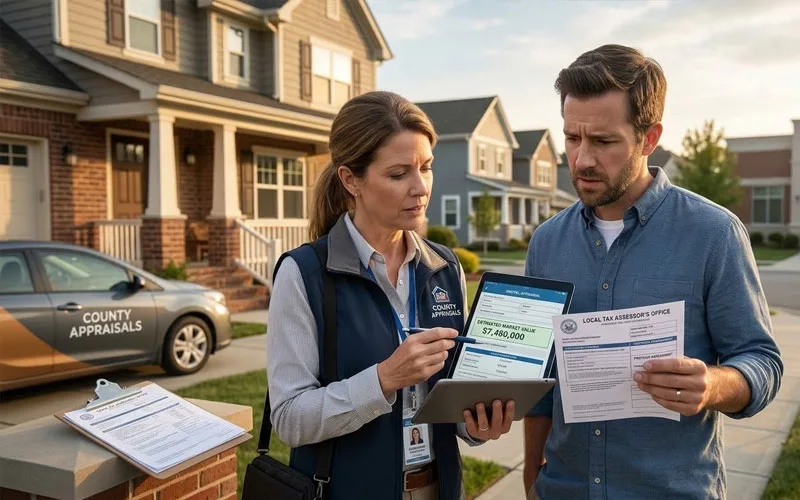
Understanding how home appraisals influence property taxes is vital for every homeowner seeking to manage their expenses and plan for the future. A home’s appraised value forms the basis for local tax calculations, directly affecting the annual property tax bill. For homeowners interested in learning more about strategies to address their tax responsibilities, resources about tax appeal appraisal can be a helpful starting point.
The relationship between home appraisals and taxation can seem complex. Still, by breaking down each aspect of the process and understanding how property value is assessed, homeowners can gain greater control over their finances. Staying informed about local appraisal schedules and procedures equips property owners to avoid surprises and take proactive steps when necessary.
One of the most impactful aspects of property taxation is the frequency and accuracy of assessments. Since appraisals are frequently the primary driver of changes in tax liabilities, understanding the reassessment timeline and the factors that influence the appraiser’s conclusions are both essential. It’s also important to recognize when and how an assessment might be contested, as this process can deliver meaningful financial relief for many homeowners.
The nuances of the appraisal process differ by region. If you own property in a different area, such as Raleigh, it is crucial to consult an experienced appraisal professional familiar with the local market to safeguard your interests.
The Role of Home Appraisals in Property Taxation
Local governments use home appraisals to establish a property’s market value. Once this value is assessed, it serves as the basis for calculating the amount of property taxes owed. This system is designed to ensure that tax liabilities reflect each property’s market value, promoting fairness among all property owners in a region. For example, properties with higher appraised values are assigned higher tax obligations, while those with lower values pay less. This proportional system helps distribute the funding burden for public services, from schools to emergency response, in alignment with property values.
Frequency of Appraisals and Tax Implications
The schedule for conducting home appraisals varies by location. Some municipalities reassess property values annually, while others may conduct appraisals every few years. More frequent appraisals can mean that property taxes respond quickly to changes in the real estate market, sometimes resulting in sharper increases or reductions in annual tax bills. An emerging trend in some regions is a shift from longer cycles, such as 4-year cycles, to biennial or even annual reviews to capture fluctuating market conditions better. This can help local governments plan more accurately but may pose challenges for residents facing rising home values and, as a result, higher taxes. For more information on how policy shifts like this are playing out in specific regions, mainstream news sources such as The Wall Street Journal have detailed recent national trends.
Rising Appraisals and Their Impact on Taxes
When property values surge, due to a hot real estate market, rapid neighborhood development, or home upgrades, appraisals often follow suit. This rise typically results in a corresponding increase in property taxes. For instance, some counties have recorded jumps of over 10 percent in property valuations within a single year, leaving many homeowners unprepared for the sudden rise in tax bills. These increases make it all the more important for property owners to track changes in their local real estate market and understand the triggers that could upend their yearly expenses. The New York Times provides additional insight into national real estate trends and the challenges homeowners face as values and taxes rise together.
Appealing Property Tax Assessments
Disputing a property tax assessment is a right available to all homeowners who believe local authorities have overstated their property value. The appeal process is designed to promote fairness and to ensure that a property owner is not overpaying due to errors or outdated data used in the evaluation. It is estimated that well over 40 percent of appeals result in some degree of property tax reduction, with many homeowners saving at least $100 annually. To file an appeal, homeowners typically need to collect evidence, such as independent appraisals or recent sales data for comparable properties, and submit a formal request to the assessor’s office. The process and deadlines can vary widely, so it is crucial to thoroughly review local rules and requirements.
Technological Advances in Property Valuation
Recent years have seen remarkable progress in property valuation, largely thanks to advances in technology and data analytics. Artificial intelligence and machine learning can now process vast amounts of information, including photographs, property dimensions, neighborhood characteristics, and sale histories, to produce automated appraisals with unprecedented speed and accuracy. These high-tech tools enable appraisers and municipalities to deliver more precise valuations while potentially reducing human error and subjective judgment. However, it remains essential for homeowners to review each assessment carefully, as technology’s effectiveness depends on up-to-date, accurate input data.
Policy Changes and Their Effects
Legislative and policy changes at the local or state level can significantly impact both appraisal practices and tax rates. Some regions have implemented caps on year-over-year appraisal increases to shield homeowners from dramatic spikes in tax bills. While this approach can smooth out abrupt changes, it may also result in disparities between similar properties over time. To remain prepared for future property tax changes, homeowners should stay engaged with local government activities and track the results of any initiatives or proposals related to property valuation and taxation.
Staying Informed and Proactive
Homeowners stand to benefit by staying educated about their local appraisal processes, actively monitoring upcoming reappraisal cycles, and knowing their rights regarding appeals. This awareness empowers individuals to plan their finances, avoid surprises, and respond proactively if they believe an assessment is inaccurate or out of line with comparable properties. Regular engagement with these systems ensures that homeowners are better protected against unwarranted expenses and can leverage opportunities for fairer taxation.
Home appraisals are a cornerstone of the property tax system, influencing both the amount owed and the predictability of future tax bills. By staying up to date on market trends, leveraging technological advances, and participating in policy discussions, homeowners can navigate the appraisal process more confidently and protect their financial health well into the future.