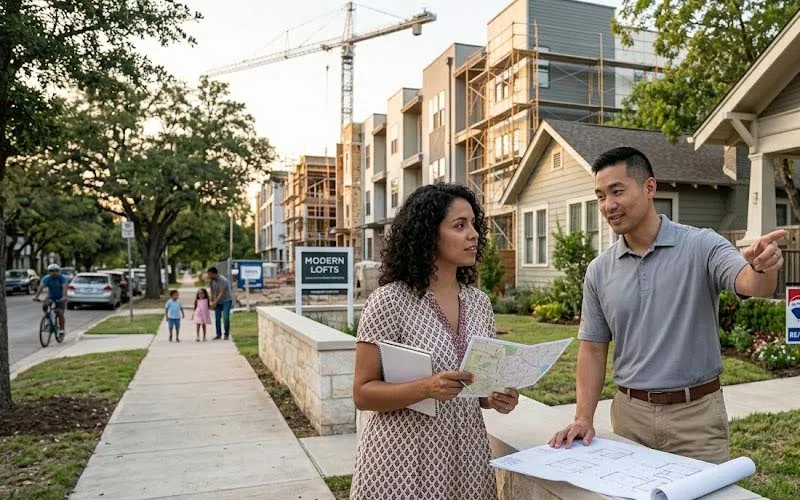
Austin, Texas, renowned for its vibrant culture and booming tech industry, has experienced significant shifts in its housing market over recent years. For potential homebuyers, understanding these market trends is essential to making informed decisions and capitalizing on emerging opportunities. Partnering with experienced professionals like Austin TX real estate experts Darsh Advisory Group can provide invaluable insights into the local market dynamics. Led by Darsh Parikh, a top-ranked agent recognized by the Austin Business Journal in 2023, 2024, and 2025, the group specializes in new construction and luxury real estate, offering tailored guidance to buyers, sellers, and developers.
The Shift to a Buyer’s Market
Once characterized by fierce bidding wars and soaring prices, Austin’s housing market has transitioned into a buyer’s market. This change is marked by an increase in housing inventory and a slowdown in price growth. According to a report by Realtor.com, Austin’s median list price has fallen by 13.2% since August 2022, providing buyers with more options and negotiating power.
The shift to a buyer’s market can be attributed to a growing supply of homes available, partly resulting from new residential developments and a cooling off in investor activity. More homes on the market mean less urgency for buyers, shifting the balance of power. In past years, buyers often had to rush their decisions due to limited inventory and aggressive competition, leading to stress and frequent disappointments. Today, buyers can take their time to evaluate choices, negotiate contingencies, and even request seller concessions such as closing cost contributions or home warranties, ultimately leading to more favorable terms for the purchaser.
Stabilizing Home Prices
In 2025, Austin’s home prices leveled off, with some areas experiencing slight declines. The Austin Board of Realtors noted that the market has started to cool, leading to more stable pricing. This stabilization offers potential buyers a respite from the rapid price escalations seen in previous years.
For many, the prospect of buying in Austin is no longer an unattainable dream. As prices stabilize, affordability has improved, especially in suburban neighborhoods such as Pflugerville, Leander, and Manor. First-time buyers, who previously struggled to enter the market, are finding new opportunities. Additionally, current homeowners interested in upgrading or relocating within the metro area are able to make transitions with less concern about dramatic pricing jumps. This increased affordability helps ensure that Austin continues to attract a diverse population, fueling both economic and cultural growth.
Technological Innovations in Homebuying
The integration of technology into the real estate sector has transformed the homebuying process. Platforms like Homa, an AI-powered real estate service, have expanded into Texas, offering homebuyers rebates and streamlined property searches. This innovation caters to the modern buyer’s preference for digital solutions and cost savings.
Beyond property searches and rebates, technology is now enabling virtual home tours, online mortgage pre-approvals, and document e-signatures, greatly increasing convenience. With machine learning algorithms, prospective buyers receive recommendations tailored to their preferences and lifestyle needs. Digital platforms often provide neighborhood insights, recent sales data, and school ratings, equipping buyers to conduct thorough research independently. For tech-savvy buyers relocating from other tech hubs like Silicon Valley or Seattle, these features make the process smoother, minimizing stress associated with long-distance moves. As Austin continues to evolve into a tech-forward city, these platforms are rapidly becoming an integral part of the buying journey.
Impact of Economic Factors
Economic elements such as mortgage rates and employment trends significantly influence homebuyer decisions. In Austin, mortgage rates have stabilized around 6%, and the tech industry’s growth continues to attract professionals, sustaining housing demand. These factors contribute to a balanced market environment favorable for buyers.
The region’s economic resilience is supported not only by the local tech sector but also by thriving education, health care, and creative industries. Strong employment prospects translate to consistent housing demand. Additionally, predictable mortgage rates allow buyers and their advisors to plan with greater certainty, budgeting for payments and future investments. It’s also worth noting that, as national economic indicators such as inflation and Fed rates shift, Austin tends to maintain stability relative to many peer cities, offering added confidence for both residents and investors.
Importance of Local Expertise
Navigating Austin’s dynamic real estate market requires local knowledge and expertise. Engaging with seasoned professionals can provide insights into neighborhood trends, pricing strategies, and negotiation tactics, ensuring buyers make well-informed decisions.
Local real estate agents distinguish themselves through hyperlocal market analyses, off-market listing access, and established relationships with builders and professionals such as inspectors, lenders, and title companies. The nuanced differences between neighborhoods, like the unique vibes of East Austin versus Westlake, or the different school districts, can significantly impact both home values and living satisfaction. By leveraging this expertise, buyers can uncover hidden gems and avoid costly pitfalls, whether moving to Austin for the first time or simply relocating within the city.
Additional Considerations for Homebuyers in Austin
While the current market is favorable for buyers, it remains important to consider long-term prospects and potential appreciation. Look for neighborhoods with planned infrastructure improvements, access to major employers, proximity to downtown, or excellent school ratings. Many areas of Austin are undergoing rapid transformation, making them prime targets for future growth and investment potential.
Buyers should also factor in property taxes and homeowners’ association (HOA) guidelines, which can vary significantly by area and development. Additionally, energy-efficient homes, green building standards, and sustainable community designs are becoming increasingly popular and can impact both upfront expenses and long-term savings. Keep an eye out for new construction trends like smart home integration and community amenities that can enhance both daily living and future resale value.
Conclusion
Understanding the evolving market trends in Austin is crucial for prospective homebuyers. With the market shifting in favor of buyers, stabilizing prices, and technological advancements simplifying the purchasing process, now is an opportune time to explore homeownership in Austin. Partnering with experienced local experts can further enhance the buying experience, leading to successful and satisfying outcomes.
As Austin continues to grow and adapt, keeping up with current trends, utilizing advanced digital tools, and seeking neighborhood-specific advice will empower buyers to secure homes that suit their needs and budgets. In this competitive yet accessible climate, careful planning and the right support can make achieving the dream of Austin homeownership both attainable and rewarding.